Workshops

Sessions

MAFA 2027 In-Person Workshops

  • All workshops are offered as single, 2-1/2 day, intensive sessions. Students will choose ONE workshop.
  • Find details about all our workshops in the list below.
  • For workshops that fill quickly, there will be a waitlist, and you may waitlist one workshop.
  • If you need to rent a loom or spinning wheel, Red Stone Glen Fiber Arts Center rents looms and wheels. Please contact them directly: RedStoneGlen@gmail.com.

102 Using Color to Create Pattern with Turned Taqueté

Suzi Ballenger

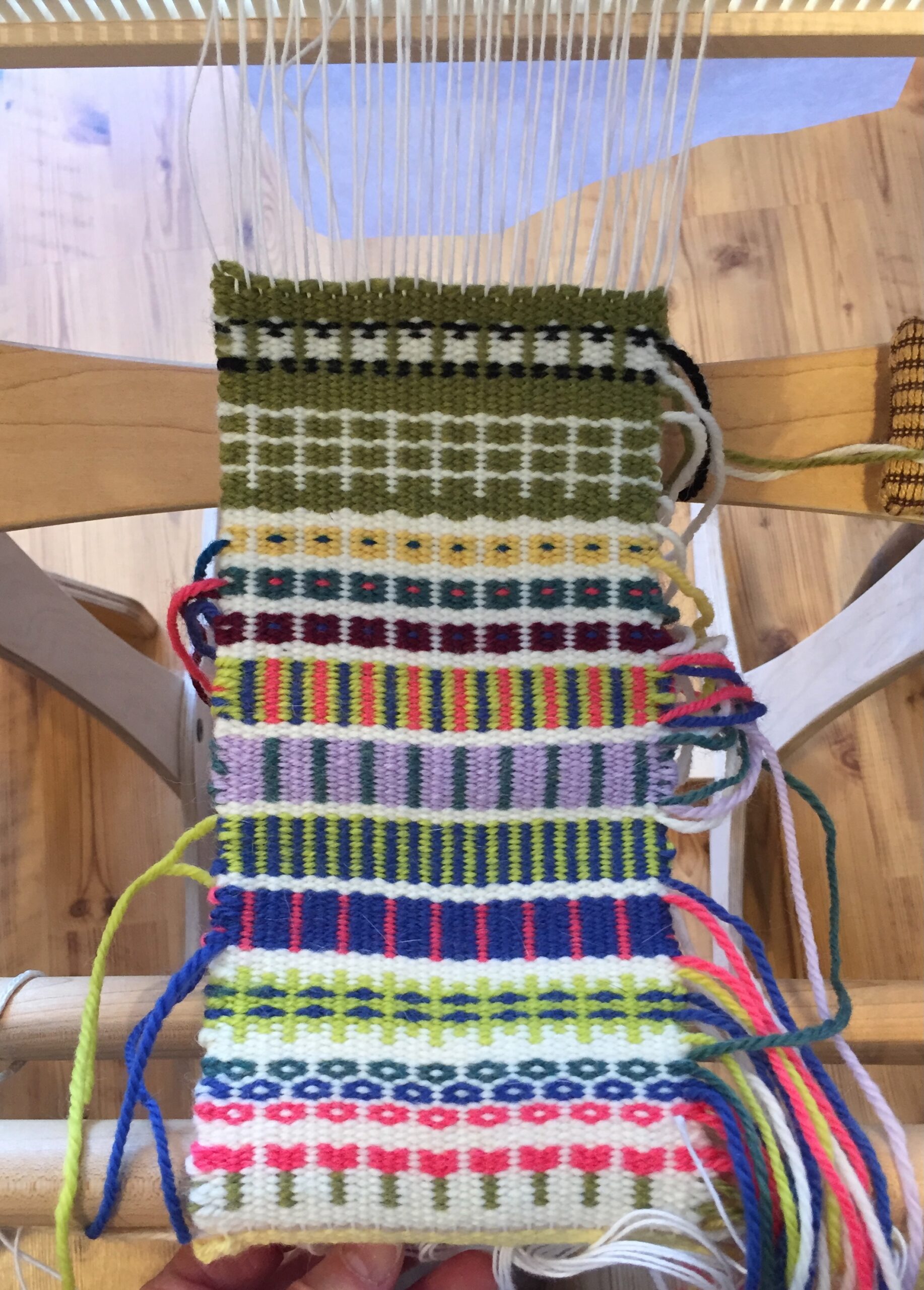
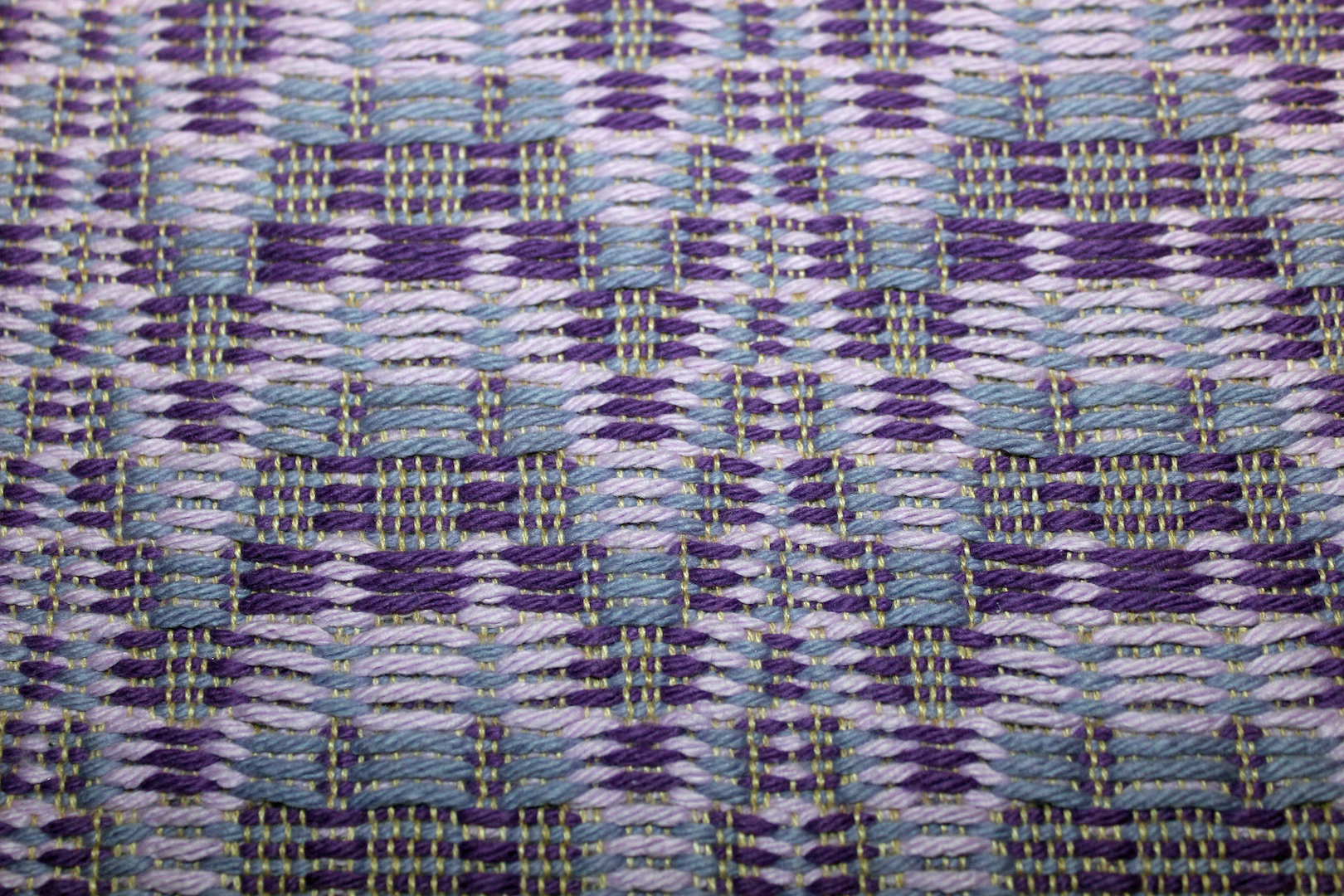
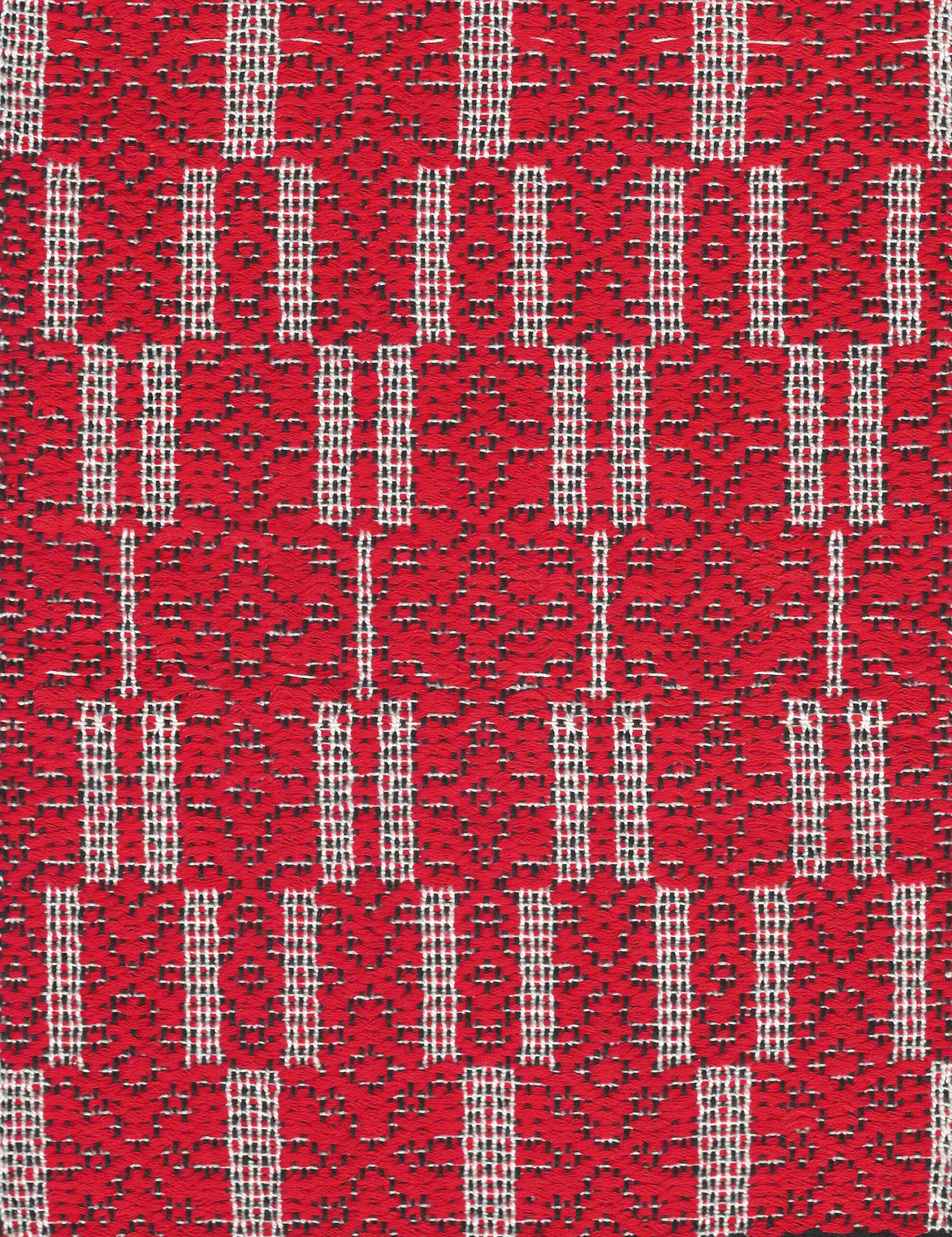
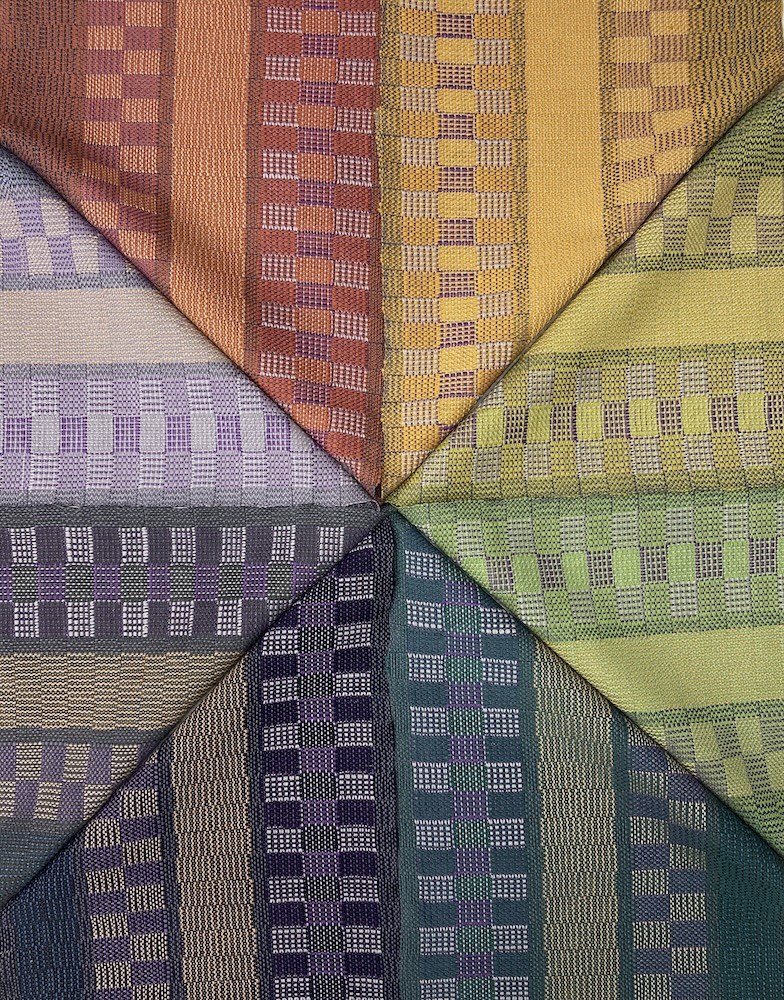
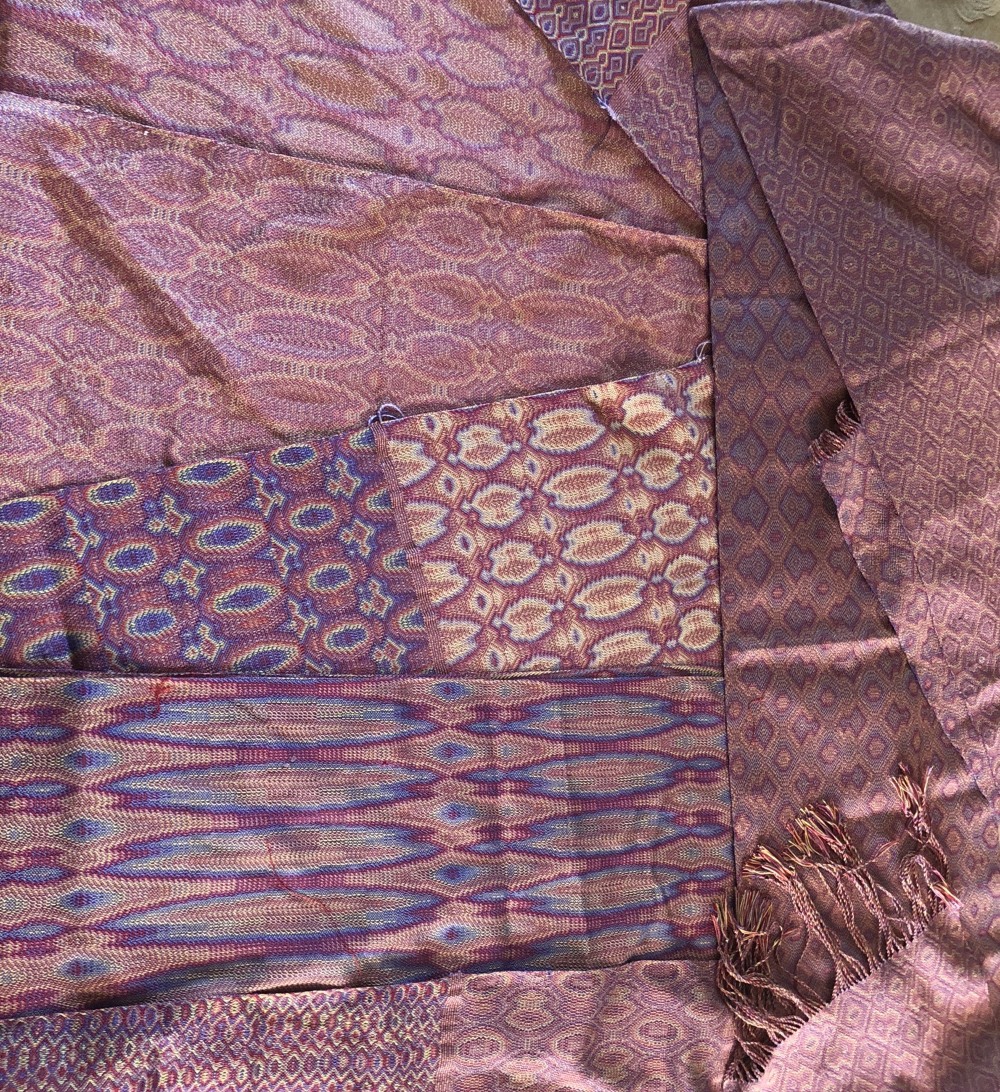
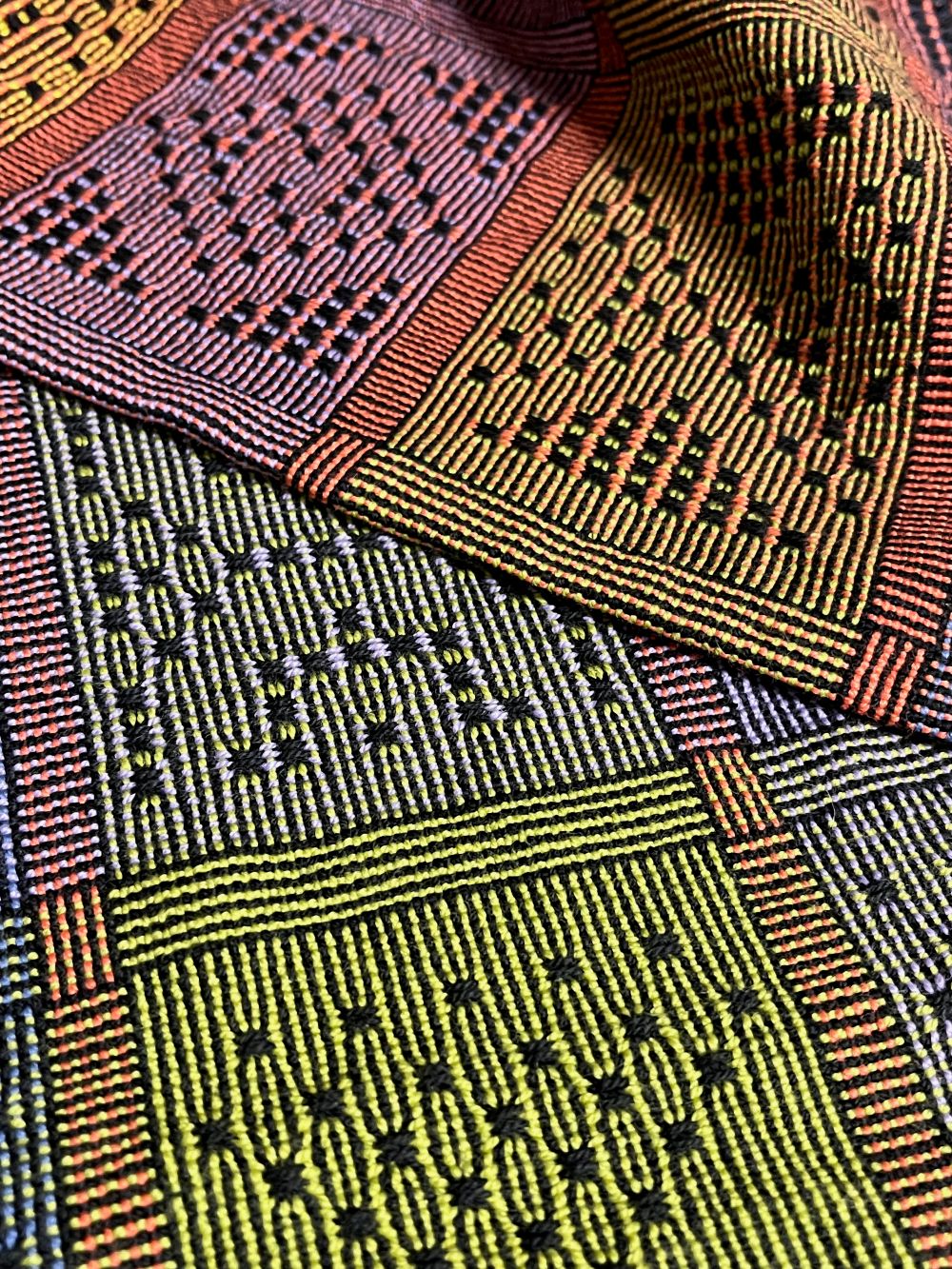
Turned Taqueté is a perfect opportunity to step into the fun of color as the basis for exploring pattern and geometry in weaving. You will be amazed at how easy it is to use color to create original designs. Using color in Taquéte will convince you there are no “bad” combinations. You will learn how 4 colors can create exciting designs that are distinctive and stunning.

Topic:


103 A Flower Garden Blooms in Boundweave

Jennie Hawkey

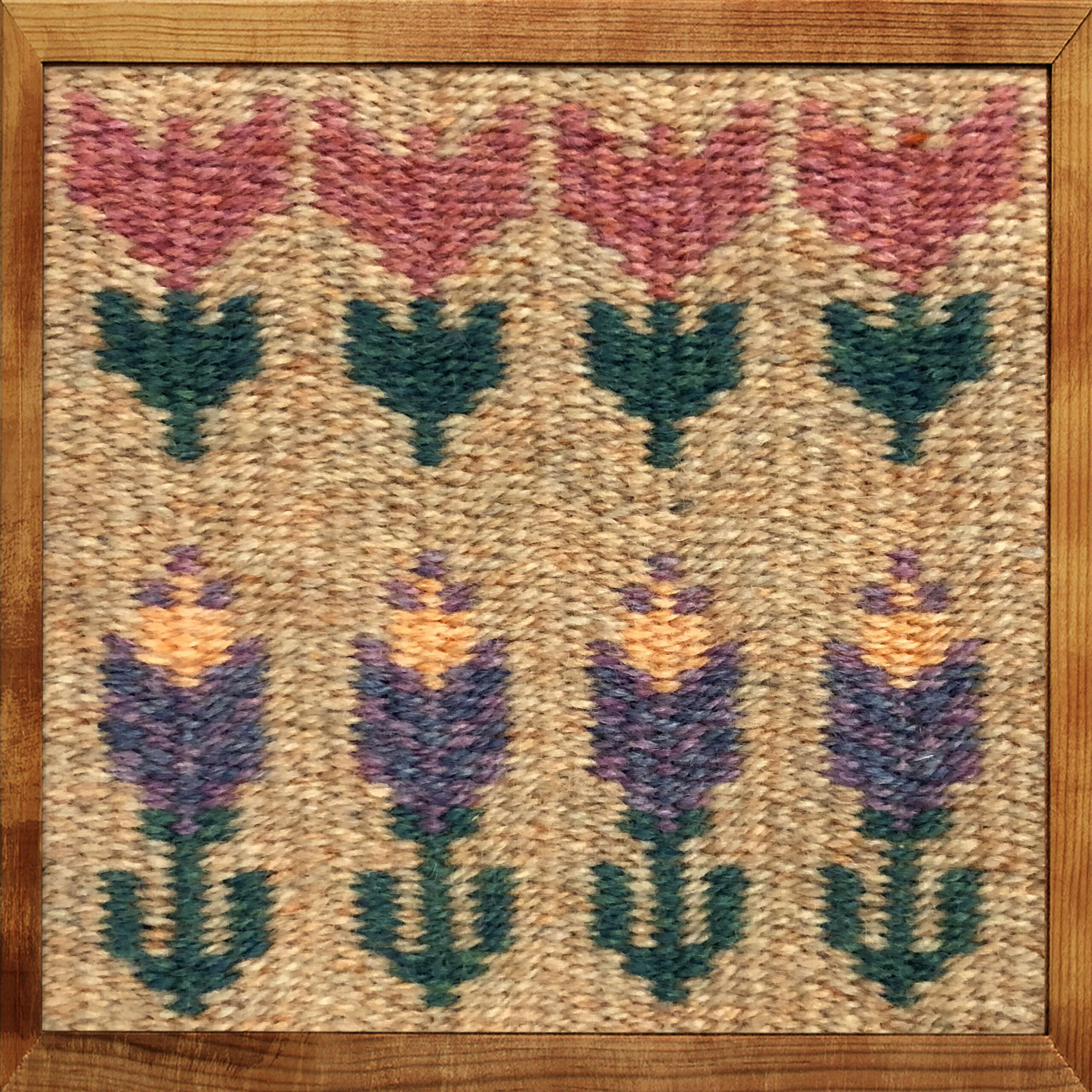
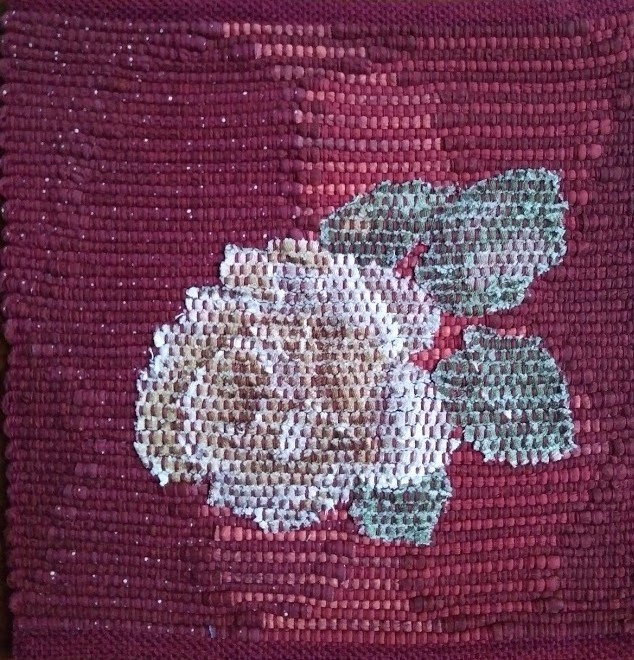
Boundweave is a colorful, graphic weave structure traditionally used for striking wall hangings and durable rugs, pairing sturdy cotton or linen warp with richly colored wool or cotton weft. In this class, you’ll weave a vibrant boundweave sampler using beautiful wool yarns, discovering how blocks of color come together to form petals, stems, and lively geometric blooms.

Topic:


104 Building Blocks of Successful Rigid Heddle Weaving
Constance Hall

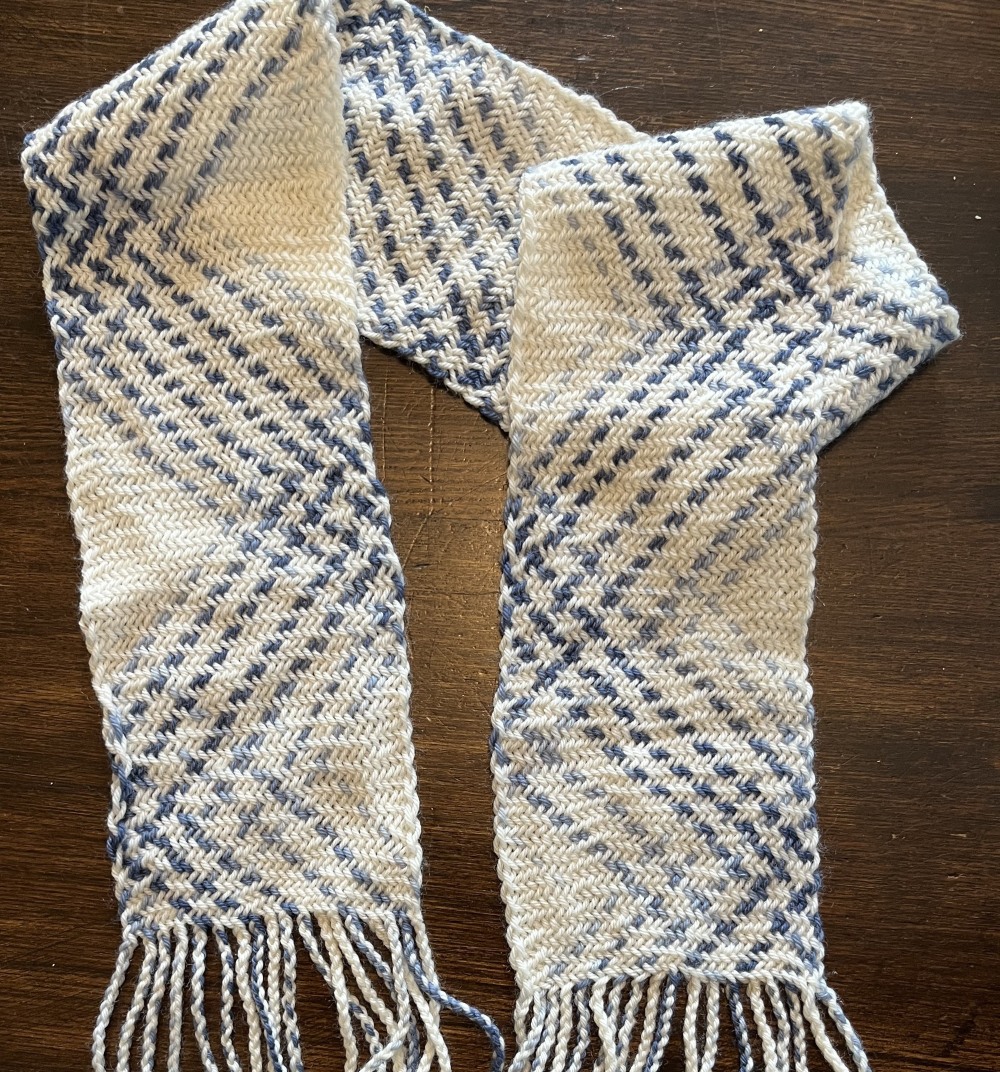
This class will be a building block kind of class where each skill we learn will set us up for success and ready to move the next step. Proper warping, good plain weave, pick-up, clasped weft and Leno will be covered. This is a step-by-step class with no weaver left behind, and suitable for beginner and intermediate students.
Topic:


105 Controlling Creative Chaos: Focus on the Warp
Kathrin Weber

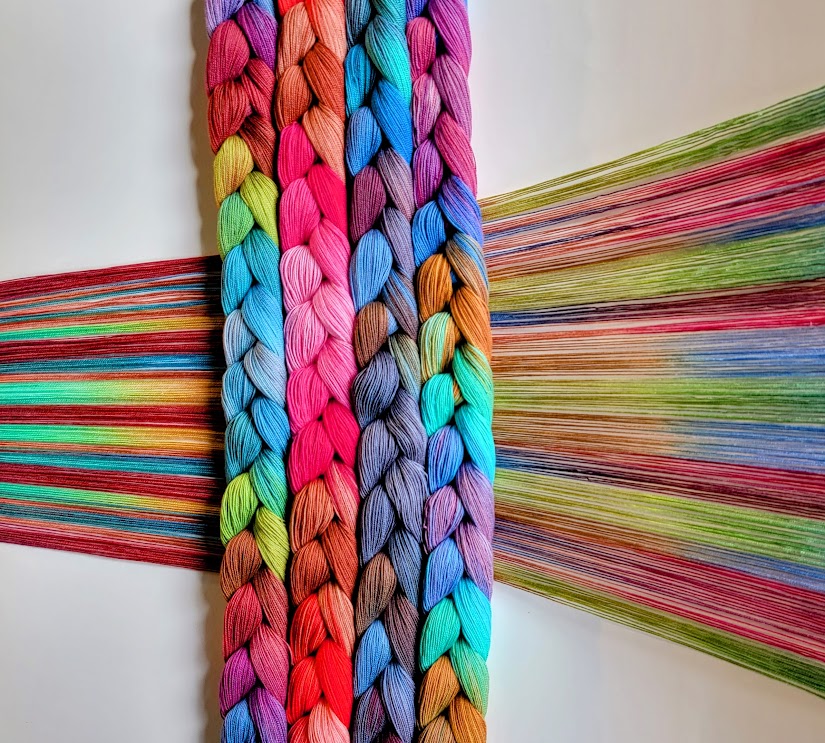
Students will learn non-traditional techniques in setting up and designing at the reed while working effectively and efficiently with multiple warps and diverse warp elements. We will design personal projects at the reed which create options for a variety of weave structures -- plain weave, rib, repp, turned taqueté, twills, double weave -- with each single setup.
Topic:


106 It’s in the Warp: Color and Design in Warp-Faced Rep

Rosalie Neilson

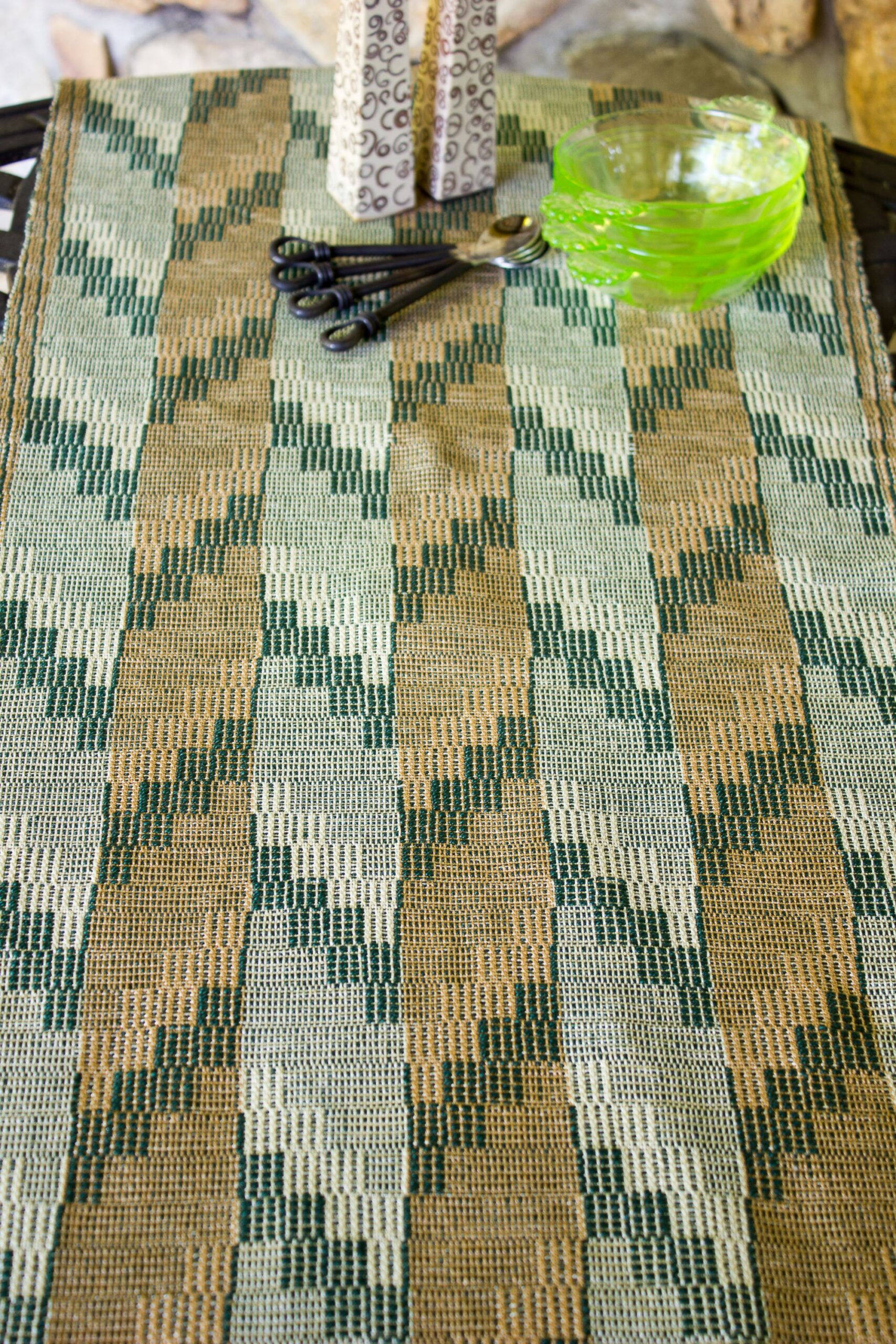
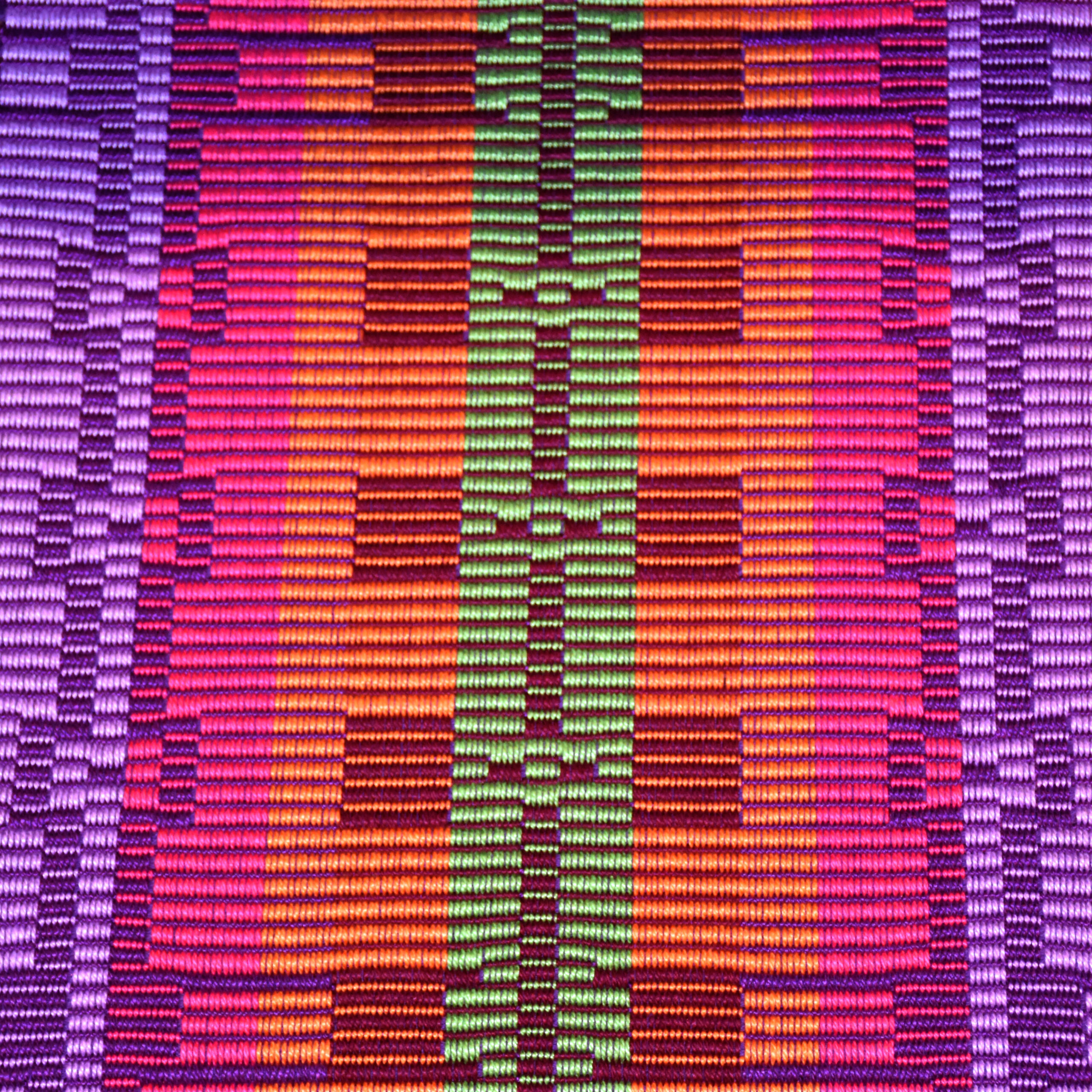
This workshop introduces weavers to the concept of block design, where two shafts control the color of each block or threading unit. Discussions will focus on color, movement of blocks, skeleton tie-ups, and threading systems. Weavers will learn how to interpret the profile treadling plans for both the thick and thin weft picks.

Topic:


107 Masters of Overshot

Laurie Duxbury

Connect with the past and design for the future using this versatile structure. Using one warp, students will begin with traditional pattern treadling and advance to more varied structures, including honeycomb and boundweave.

Topic:


108 Materiality: The Tactile Experience

Cameron Taylor-Brown

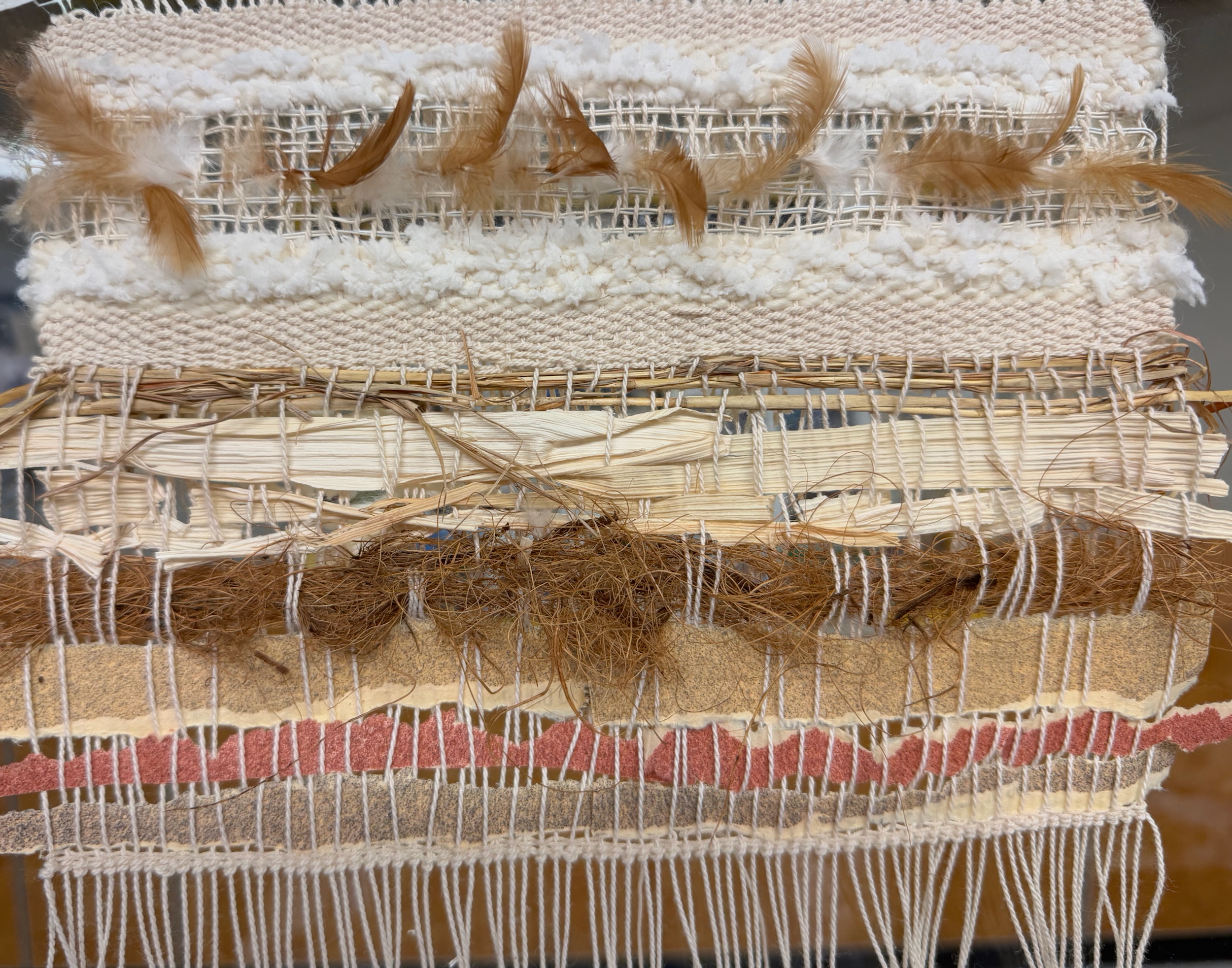
The legendary weaver Anni Albers said “our tactile experiences are elemental” and that playful exploration of materials is essential to “regain a faculty that was once so naturally ours.” We will play with a wide variety of materials – paper, cardboard, foil, sticks, buttons, pebbles, seeds, wire, fibers, yarns and more – we will, in Albers words, “group them, cut them, curl them, mix them, finally perhaps paste them, to fix in a certain order.”

Topic:


109 Pattern Magic- Color and Weave Effects

Ellen Hess

Color and Weave effects are like magic! You create patterns that look different from the actual weave structures by using yarns with contrasting color values. There are versions for rigid heddle looms (plain weave or pick-up), 4-shaft and 8-shaft (or more) table or floor looms. Students will leave with a small reference library of color-and-weave designs that can be used for future projects.

Topic:


110 The Art and Science of Tied Weaves: From Basics to Brilliance

Robyn Spady

Unlock the potential of tied weaves in this immersive workshop for handweavers ready to explore both their structural elegance and creative versatility. Whether you’re new to tied weaves or refining your technique, you’ll engage in hands-on practice, design exploration, and inspiration. You’ll learn foundational principles—including unit weaves, pattern shafts, and tie-downs—explore the logic that makes tied weaves predictable yet endlessly adaptable, and experiment with color, texture, and treadling variations.

Topic:


111 The Beauty of Crackle Weave

Susan Kesler Simpson

We will delve into the basics of crackle weave and the different treadling options. Color is an important part of the crackle weave. There are numerous options for color use in the warp and weft, with the added ability to incorporate even more color with the tabby thread.

Topic:


201 Beginning Spinning, Wheel and Electric Spinner Friendly

Alanna Wilcox

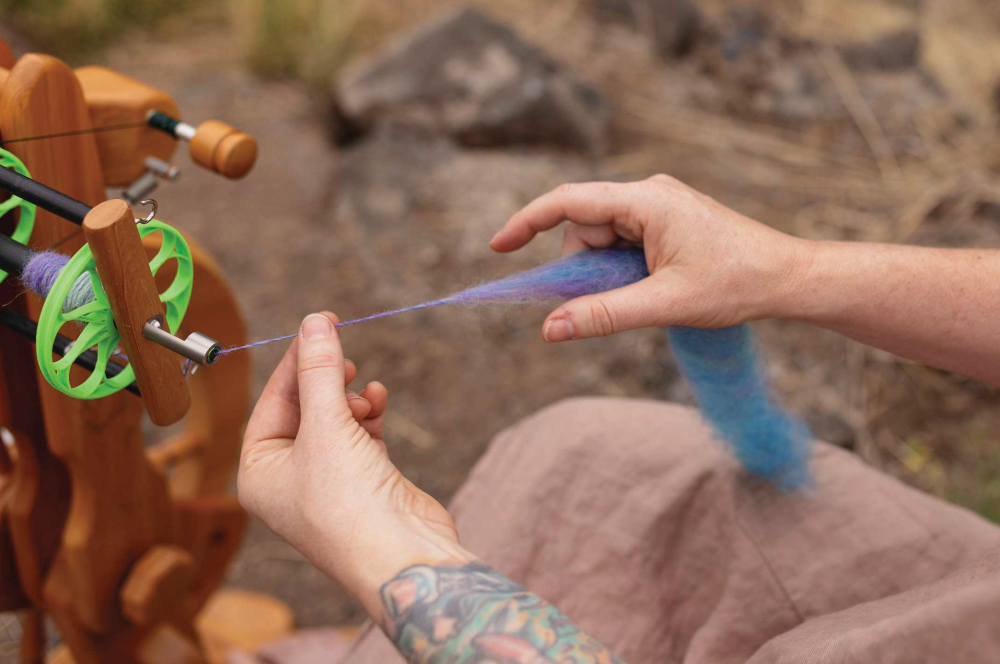
This workshop is designed for beginners who want a practical, encouraging start to spinning on a wheel or electric spinner. Alanna will guide you step-by-step through setup, basic mechanics, and the foundational drafting skills that make spinning feel understandable and repeatable. Throughout the workshop, you will receive supportive coaching and clear troubleshooting so common problems feel solvable instead of frustrating.

Topic:


202 From Fair Isle to Warp: Exploring the Gifts of Wool

Martha Owen

Gain inspiration and skill at matching different fleece for different types of yarn for diverse end products like knitting, embroidery and weaving. Prepare and spin a lovely strong long wool for warp and a plump woolen for weft. It may all come from one sheep/fleece! Create a truly hand spun textile to share that shows the gifts that wool has to give.

Topic:


203 Worsted to Woolen, Smooth to Textured

Jacey Boggs Faulkner

If you want to be a better spinner, this class will help. We'll start with true worsted spinning and by changing one small thing at a time, we'll cover each and every draft until we are spinning the most woolen yarn possible. Many topics will be covered. No matter where you are in spinning, this class will make you better.

Topic:


301 From Your Kitchen to Your Dyepot

Paula Vester

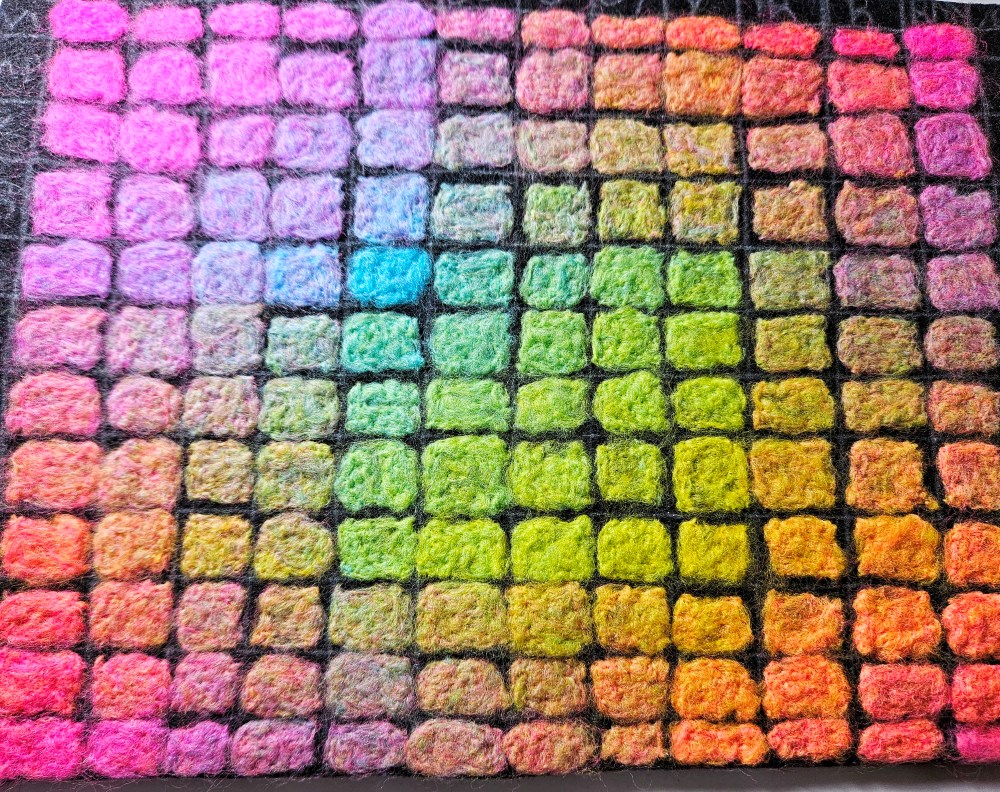
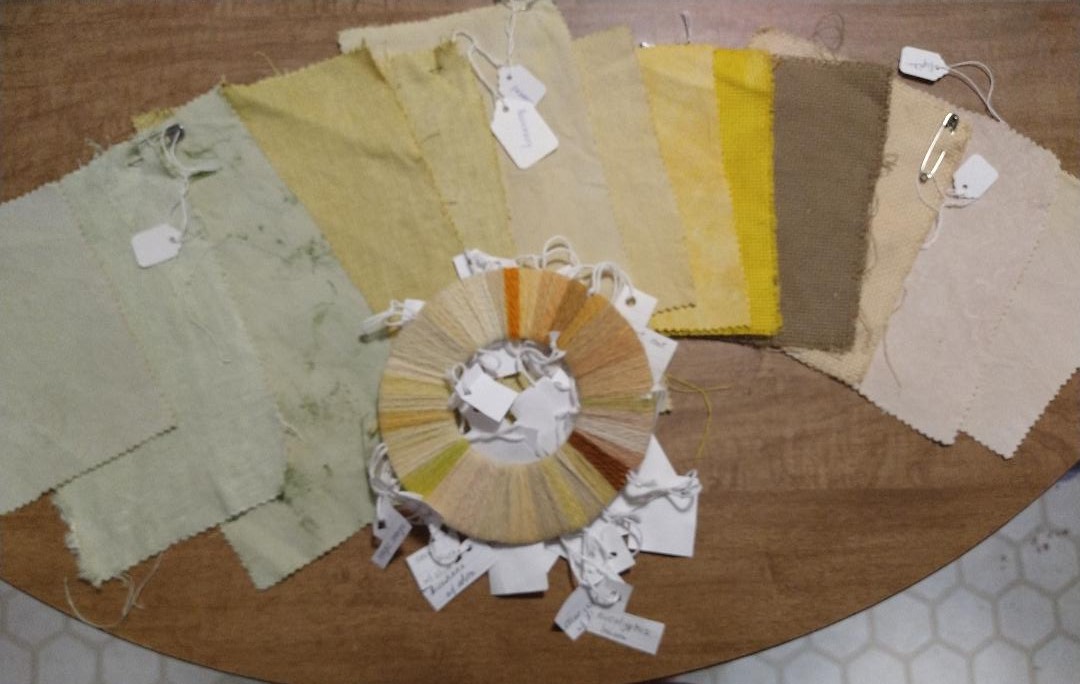
A lot of dyes are overlooked because they are around us and maybe even in our kitchens everyday. Let Paula show you some different, fun, and just maybe easily accessed dyes and the wonderful colors you can get from them. We will dye and then wind our own Kitchen Color Wheel.

Topic:


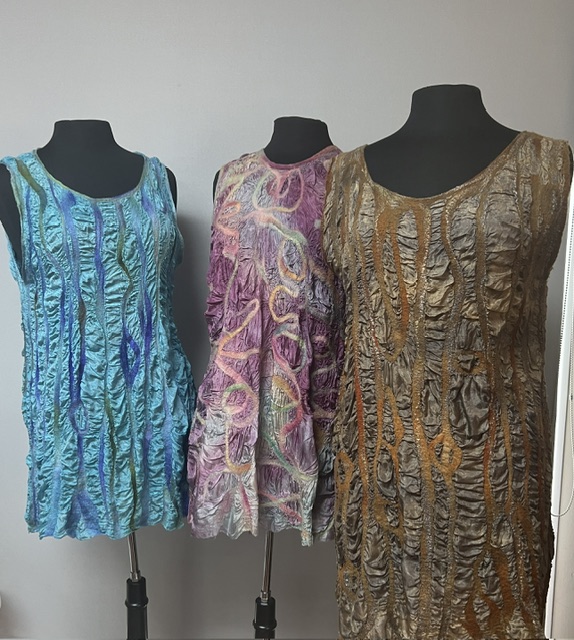
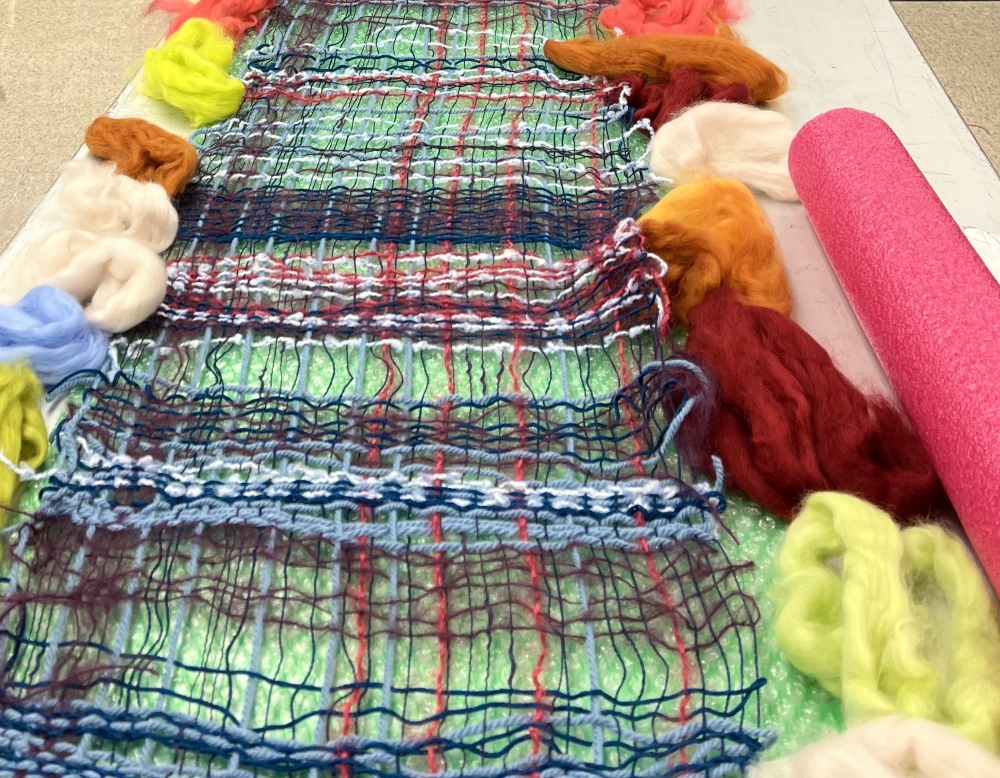
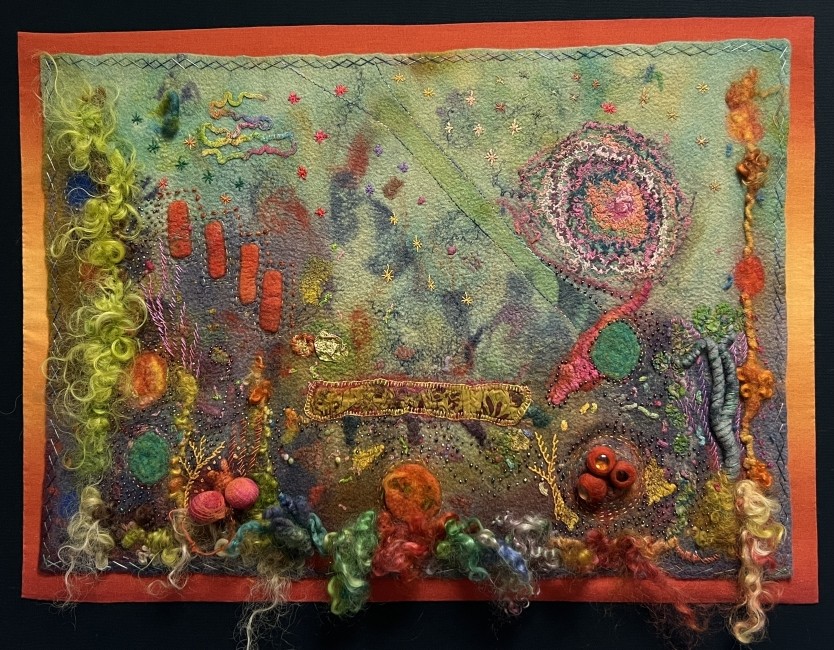
402 Nuno Felt a Tunic & Shawl

Patti Barker

Silky and gorgeous wearable art are the inspiration for this class. It's not typical nuno felt, as participants will tear strips of fine merino wool and lay them in interesting designs upon the silk. As the wool is felted it grabs the silk…while shrinking it ruches or puckers the silk creating interesting texture.

Topic:


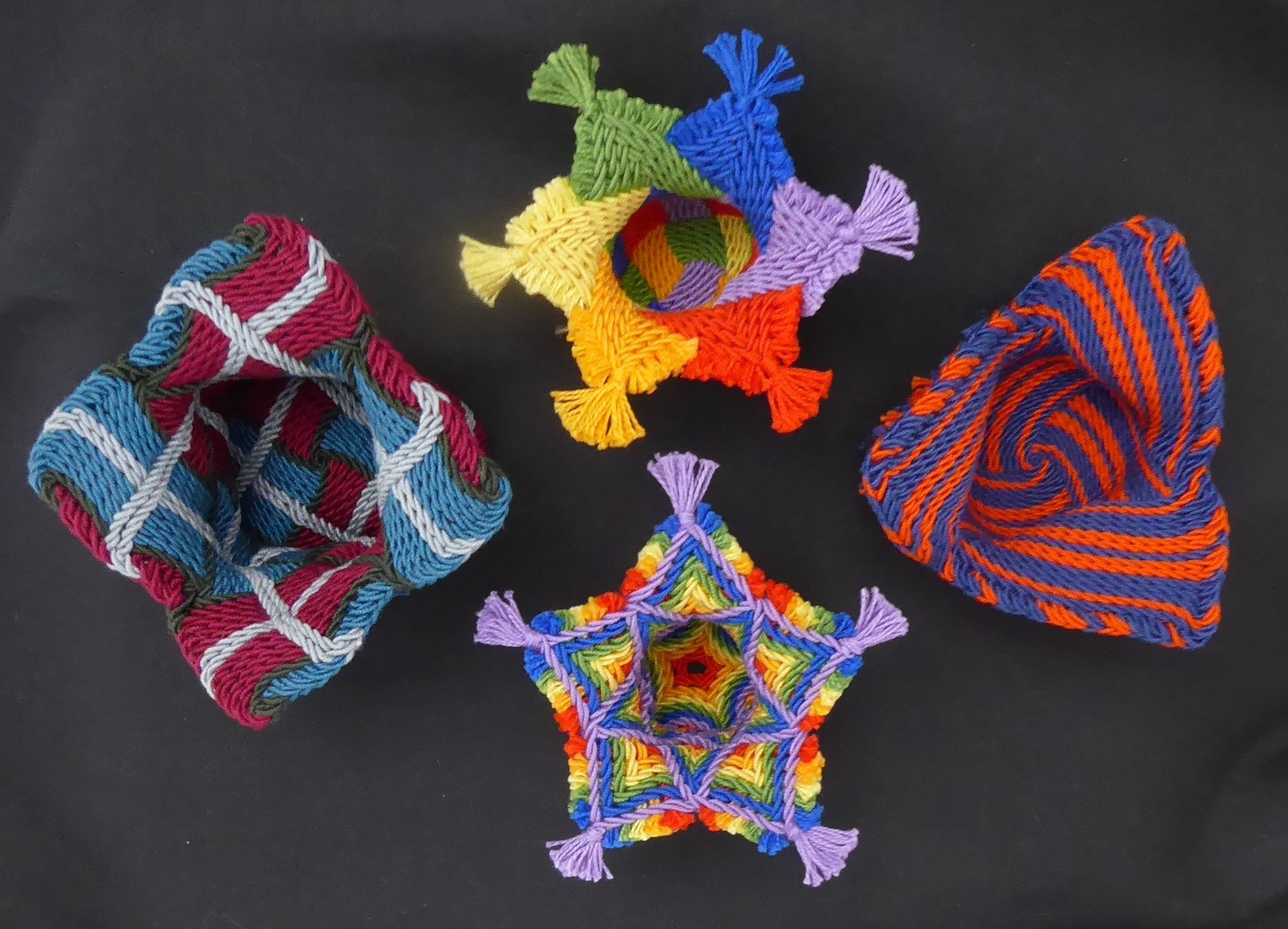
501 Ply-splitting, from Braids to Baskets

Rebecca Jensen

Take ply-splitting to the next dimension – 3D! We’ll start with a few simple braids to get you comfortable with the gripfid and the quarter twist. We’ll move on to a small basket where you’ll learn how to form a three dimensional ply-split object. Once you have mastered the basics, it’s on to a larger basket where you select the design parameters – color order, side height and side shapes.

Topic:


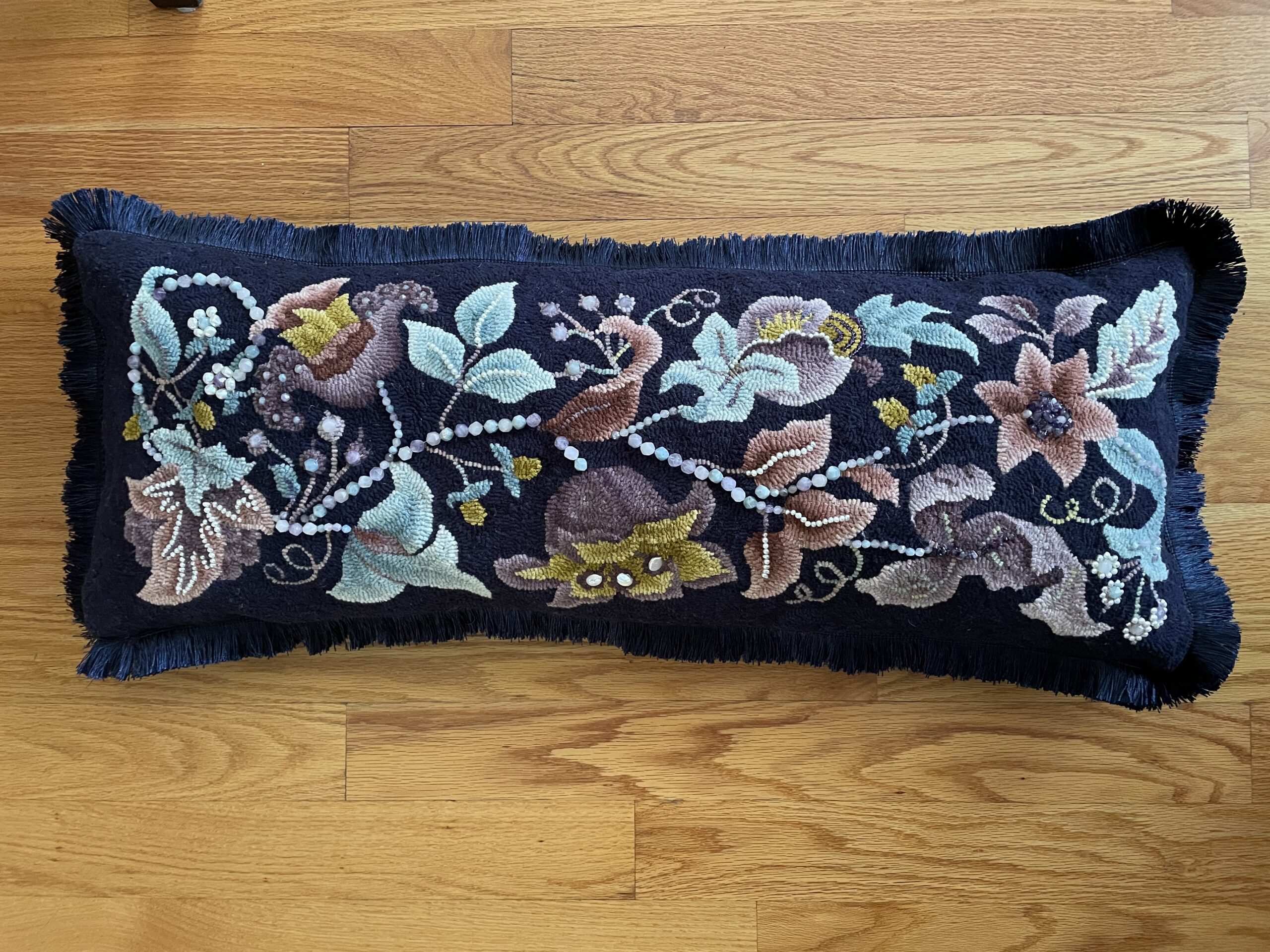
502 Rug Hooking

Cindy Irwin

Cindy will teach an open class. Any pattern and skill level is welcome. Cindy will be available before class to help with pattern choice,

Topic:


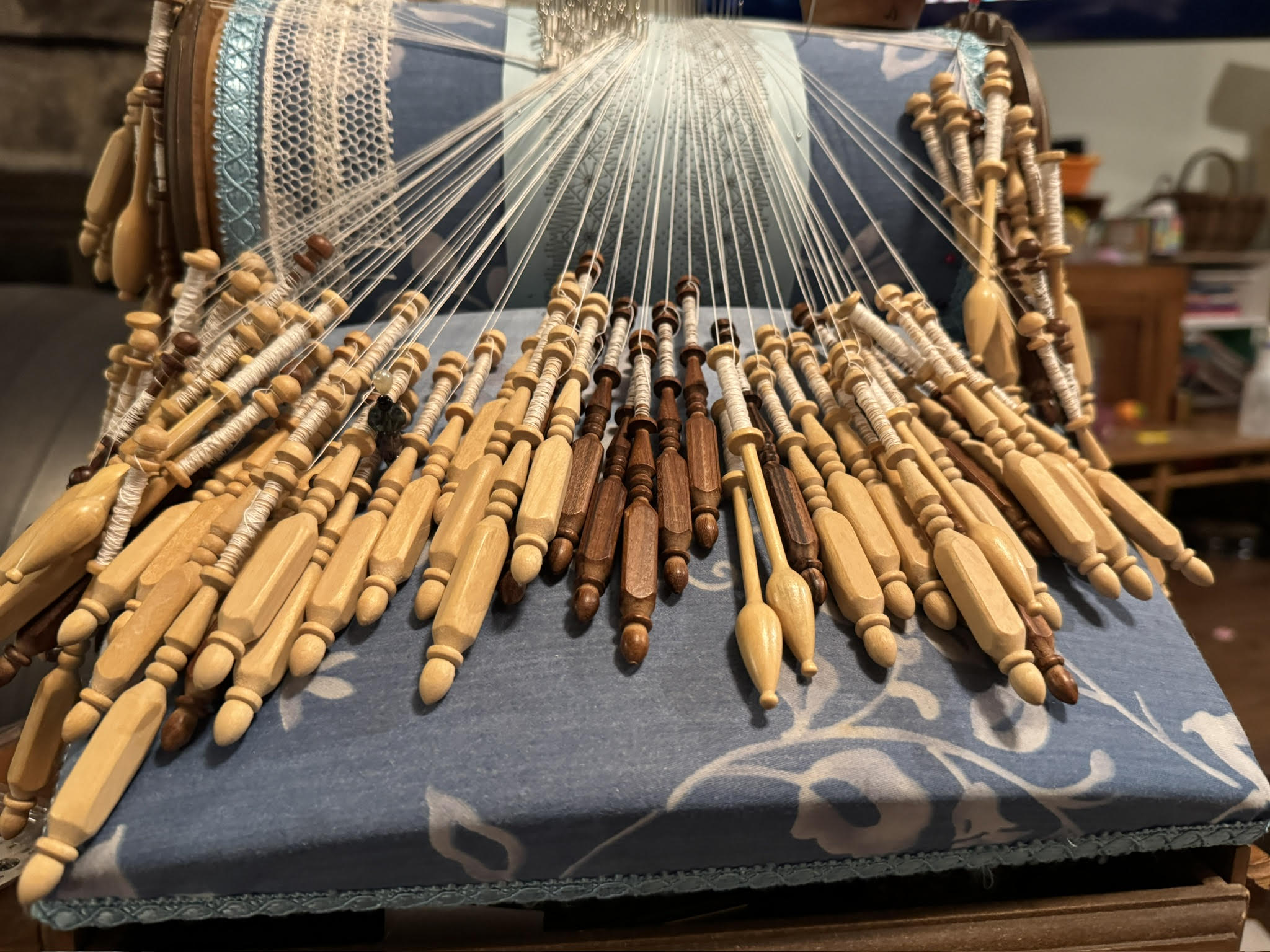
503 The Dance of Threads: Beginner Bobbin Lace

Rebecca Heid

Discover the timeless beauty of bobbin lace making in this beginner-friendly class. Learn basic techniques to create stunning lace projects, such as bookmarks, trims, or other decorative pieces. With hands-on guidance, you'll gain the skills and confidence to continue exploring this intricate and rewarding craft.

Topic:


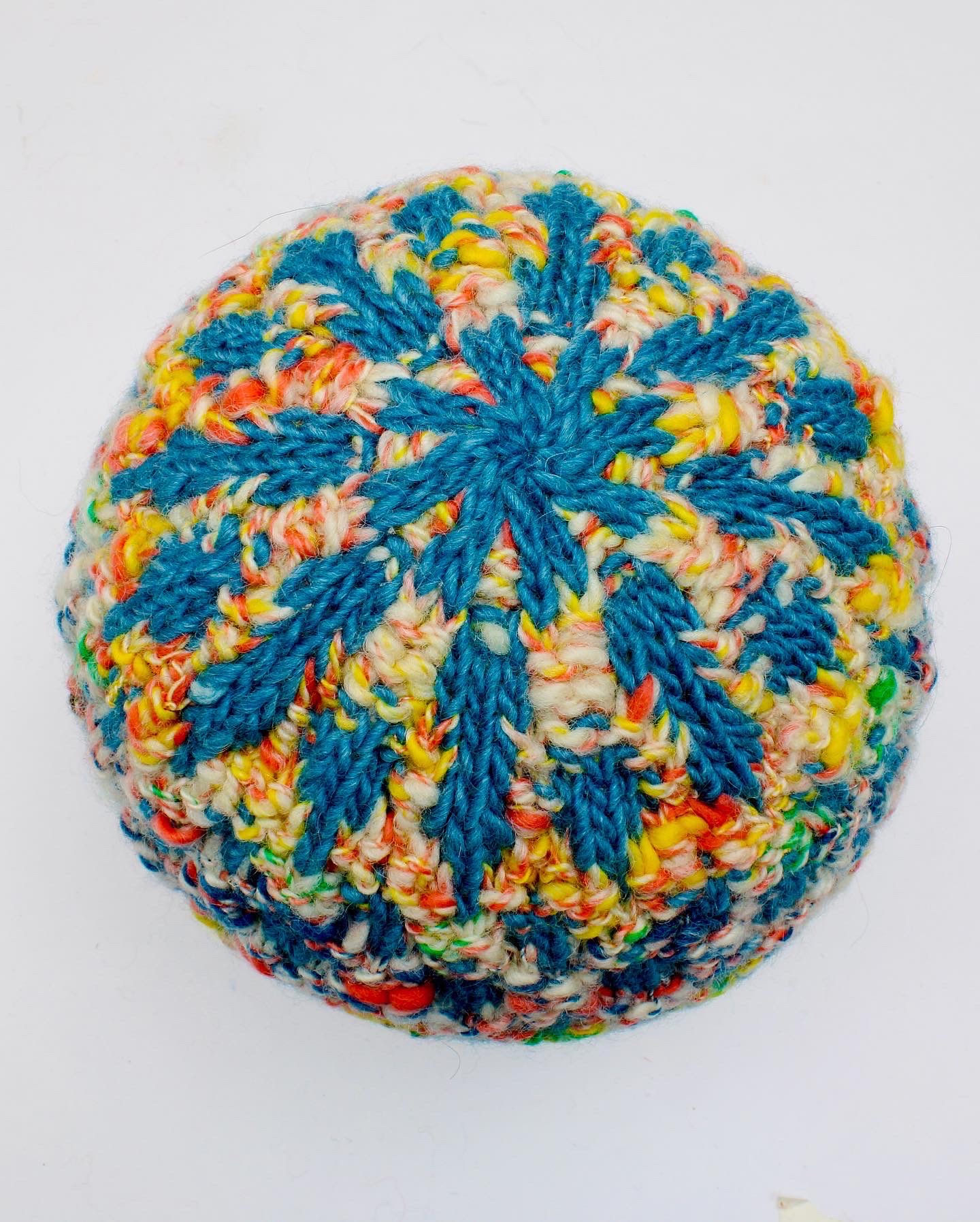
504 The Hat Knitter’s Exploration of Color and Fiber

Emolyn Liden

This workshop is for the knitter who wants to dive deeper into hat construction, learn creative color-work, and examine how different fibers can elevate unique projects. We will learn multiple cast-on techniques, how to tension yarn, hold the yarn in the right and left hand, handle floats, and explore knitting hats from personalized ideas. We will explore how to make patterns pop! and numerous elements of hat construction and decreasing methods.

Topic: